
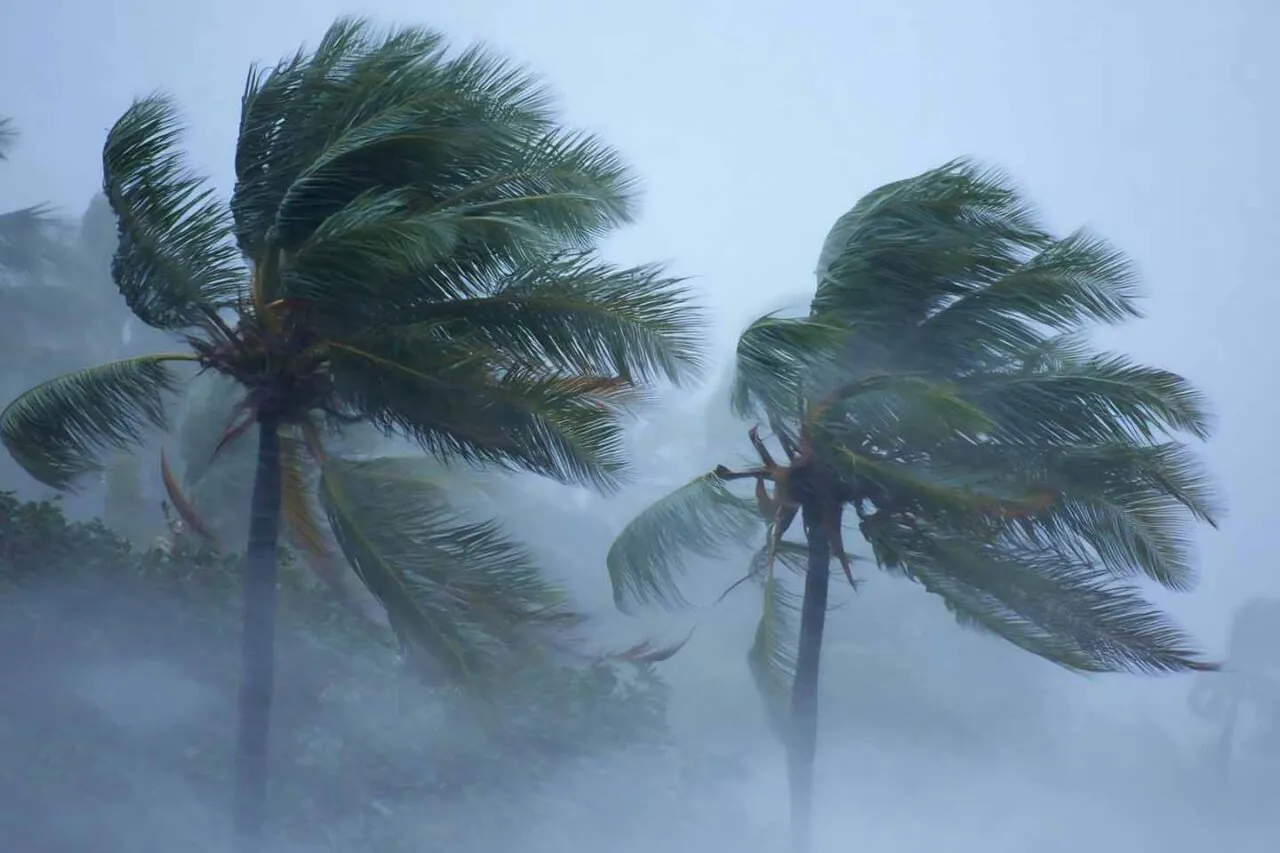
Hurricane season often brings more than wind and rain to North Florida and South Georgia. It brings the very real chance of losing power for hours or even days right when outdoor temperatures are at their worst. Without air conditioning, an under-insulated home can heat up fast. This can create real risks for kids, older adults, and pets.
There is no set number of hours a home can stay safe without power. It depends on insulation level and type, home construction, and how hot or cold it is outside. What is clear is that a well-insulated, air-sealed home holds a safer indoor temperature for meaningfully longer than a poorly insulated one. This buys valuable time until power returns or help arrives.
The U.S. Centers for Disease Control and Prevention (CDC) provides valuable power outage safety for Tallahassee area homeowners. They outline guidance on the heat and cold risks that come with losing electricity, and insulation plays a direct role in slowing how fast those risks set in.
Local, trusted insulation experts have helped homes throughout the North Florida and South Georgia region prepare for storm season since 1955. Keep reading to learn more about insulation’s connection with power outages and home temperature and how you can make sure your home is ready.
Why Insulation Determines How Fast Your Home Heats Up or Cools Down
The Building Science, Simplified
Insulation slows conductive and radiant heat transfer through your attic, walls, and floors. Think of it as a buffer between outside conditions and the air inside your home. A tighter building envelope keeps outdoor heat or cold from overwhelming the temperature already stored indoors. This means rooms change temperature more slowly when the AC or heat shuts off.
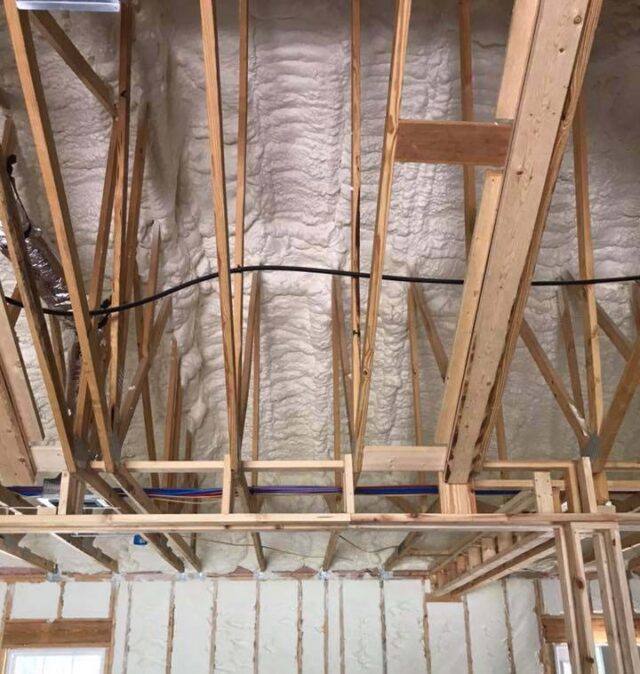 Attic heat gain is the biggest driver of summer indoor temperature spikes during an outage. A roof absorbs heat all day, and a poorly insulated attic lets that heat pour into the living spaces below. According to ENERGY STAR, homeowners can save an average of 15% on heating and cooling costs by air sealing their homes and adding insulation to attics and floors.
The same upgrades that lower your monthly bills also slow temperature swings once the power goes out. This makes an insulated home’s heat retention a year-round benefit that pays off well beyond storm season.
Don’t forget about air sealing. It matters just as much as insulation thickness and R-value. Gaps around your home’s ductwork, attic hatches, and wall penetrations let hot, humid outside air infiltrate your home, no matter how much insulation you have.
Spray foam insulation is an ideal solution because it insulates and air seals in a single step. Spray foam insulation’s power outage performance stands out by closing the gaps other insulation materials can leave behind.
What Actually Changes the Timeline During an Outage
Factors That Speed Up or Slow Down Heat Gain
Several things determine how quickly your home heats up once the power goes out.
Current insulation
Your current insulation’s level and age matter first. Older, settled, or missing attic insulation shortens the safe window significantly, since insulation compresses and loses effectiveness over time.
Home construction
How your home was built also matters. A single-story home with a dark roof and full sun exposure heats up faster than a shaded, two-story home with a lighter roof. Window orientation and landscaping both affect how much heat your home absorbs during the day.
Outdoor conditions
Outdoor conditions matter the most in the moment. A 95°F August afternoon with no wind pushes indoor temperatures up far faster than a mild fall outage does. And as the heat rises, so can your body temperature. During heat stroke conditions, your body cannot cool itself down and can cause your body temperature to climb to 106°F within just 10 to 15 minutes. That is why staying ahead of indoor heat buildup is so important.
Climate zone
Leon County and Tallahassee fall in IECC climate zone 2A, a hot-humid zone. This designation intensifies attic heat gain during the summer months and is a major reason hurricane season insulation Tallahassee homeowners install now makes such a measurable difference later.
Extra Measures
Closing your doors and windows, limiting appliance use, and staying on lower floors during an outage can also help extend comfort. If you feel your home’s insulation may be outdated, consider reviewing existing residential home insulation options built for our exact climate.
Preparing Your Home Before Hurricane Season Hits
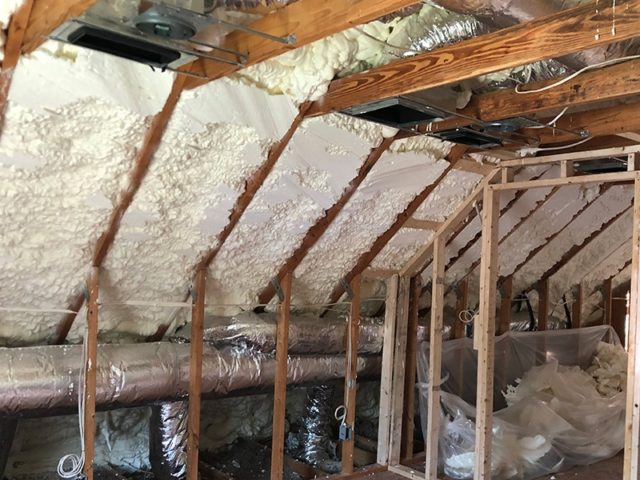
Pre-season prep is the strongest defense against a prolonged power outage. A few steps can make the biggest difference:
- Schedule an attic insulation assessment before peak season arrives, which runs mid-August through mid-October.
- Upgrade your home’s wall cavities with spray foam or JM Spider Plus insulation for a tighter, more storm-resilient envelope.
- Remove and replace attic insulation that has been compressed, water-damaged, or contaminated. Installing the right insulation will help manage moisture-related conditions.
- Pair any insulation upgrade with a written outage plan that covers food and medication safety steps and proper generator use. Food can safely last for about four hours in the refrigerator and about forty-eight hours in a full freezer after a power outage. Use generators only outdoors to lower the risk of carbon monoxide poisoning.
Home and attic insulation hurricane preparedness starts well before storm season. Scheduling your assessment early avoids the rush that hits every contractor once a storm is in the forecast. For more information on how a tighter envelope holds up better structurally during a storm, check out this related post on how insulation helps homes withstand hurricanes.
Frequently Asked Questions
How long can a house stay cool without power?
There’s no fixed number of hours. It depends on your home’s current insulation levels, home size and construction, and how hot it is outside. Proper attic insulation and air sealing make the biggest difference.
How long can a house stay warm without electricity in winter?
North Florida winters are milder than summers, but the same building science applies. Good insulation slows heat loss just as effectively as it slows heat gain, which helps your home stay warmer for longer.
Does insulation really help during a power outage?
Yes. Insulation and air sealing slow the rate of temperature change, buying time before conditions become unsafe. But it never replaces working AC or heat.
What’s the safest way to keep a home cool during a hurricane power outage?
The CDC recommends that homeowners keep their blinds closed, minimize appliance heat, avoid solely relying on fans, and seek air-conditioned shelter if the outage runs long.
Should I upgrade insulation before hurricane season?
Yes. Preparing your home and scheduling upgrades before peak hurricane season will avoid scheduling conflicts and give your building envelope time to perform when a storm hits.
Stay Comfortable Longer
There’s no single number of “livable hours” your home can go without power, but insulation quality is the biggest factor homeowners can control. Pairing insulation and air sealing upgrades with a basic outage plan is one of the strongest steps your household can take before hurricane season peaks.
Our expert team at Allweather Insulation provides insulation solutions to help keep your home cool without power during Florida storms. Contact us today to schedule your pre-season insulation assessment and find out where your home’s envelope needs the most attention before the next storm arrives.
References
Centers for Disease Control and Prevention. “What to Do to Protect Yourself During a Power Outage.” CDC, U.S. Department of Health and Human Services, 2 Oct. 2024, www.cdc.gov/natural-disasters/response/what-to-do-protect-yourself-during-a-power-outage.html.
ENERGY STAR. “Why Seal and Insulate?” U.S. Environmental Protection Agency, www.energystar.gov/saveathome/seal_insulate/why-seal-and-insulate.
Florida Building Commission. “Chapter 3: Design Criteria Climate Zones.” Florida Building Code, floridabuilding.org, www.floridabuilding.org/fbc/thecode/supplement/annenergy/flspecificcombinediecc-fl_ch3r6_11.doc.
National Oceanic and Atmospheric Administration. “Tropical Cyclone Climatology.” NOAA, www.noaa.gov/tropical-cyclone-climatology.
U.S. Department of Energy. “High-Performance Building Assemblies.” Building America Solution Center, https://basc.pnnl.gov/building-assemblies.