

Choosing the right insulation contractor in Florida is not something to rush. The combination of intense heat, year-round humidity, and long cooling seasons means the quality of your insulation directly affects your comfort and your energy bills. A qualified contractor will understand Florida building codes, the state’s energy efficiency standards, and how to install insulation properly for the local climate. A poor choice can lead to moisture issues, uneven temperatures, wasted energy, and expensive fixes later.
This guide walks Florida homeowners through three essential steps to evaluate, compare, and hire a reliable insulation contractor. These steps help you verify credentials, assess experience, understand work quality, and feel confident about the contractor you invite into your home. With the help of Allweather Insulation, you can protect your investment and get insulation that performs as it should in Florida’s demanding climate.
Step 1: Verify Credentials, Licensing, and Experience
Confirm Proper Licensing
In Florida, insulation is not a casual home improvement task. Contractors must hold the proper state license to perform insulation work legally. This requirement protects homeowners from unqualified installers, poor workmanship, and building code violations. Before considering any contractor, ask for their Florida state contractor license number. Do not take verbal confirmation as proof. Verify the license directly through the Florida Department of Business and Professional Regulation (DBPR) database.
Florida law is clear. For most building trades, contractors must be licensed. A local business tax receipt or occupational license is not the same as a valid state contractor license. Contractors who only hold these local documents do not meet state requirements. Hiring them introduces major risks, including code violations, unsafe installation practices, and no recourse if something goes wrong.
A reputable insulation contractor in Florida will gladly provide their state license. If a contractor hesitates, changes the subject, or cannot offer proof, this is a sign to move on.
Check Required Insurance
Insurance is equally important. At a minimum, a Florida insulation contractor should carry general liability insurance and workers’ compensation insurance. Skipping this step can leave a homeowner responsible for accidents or injuries that occur on the property. Since insulation work often involves ladders, tight attic spaces, and physically demanding tasks, accidents can happen.
Reputable contractors know this and will show proof of active insurance policies without hesitation. If a contractor cannot provide documentation or tries to downplay the need for insurance, consider it a significant red flag. Homeowners should never take on the liability risk of using an uninsured contractor.
Review Industry Experience
 After confirming credentials, evaluate experience. Look for contractors who specialize in residential insulation and have completed projects similar to yours, especially attic insulation, crawl space insulation, or spray foam installations. Ask how long they have been in business. Many Florida insulation projects require experience with hot, humid conditions, which affect material selection, installation methods, and moisture control.
An experienced contractor will understand local codes, including Florida’s R-value expectations. Most Florida homes require attic insulation with an R-value of about R-30 for good energy performance. A contractor who cannot speak confidently about R-value needs, vapor control, attic ventilation, or moisture management is probably not the best choice.
Research Reputation and Complaints
Before moving forward, look at contractor reviews and public records. Online reviews provide useful context, especially when you look for consistent patterns across multiple platforms. Complaints about no shows, unclear pricing, or sloppy workmanship are warning signs.
Homeowners can search for complaints or disciplinary actions directly through DBPR’s license lookup system. This is an important step since it reveals issues that may not appear in general reviews.
You can also check the Better Business Bureau to see if the contractor has any unresolved complaints or a pattern of recurring issues. A strong reputation, a clean complaint record, and consistent positive feedback usually indicate a contractor who takes pride in customer satisfaction.
Step 2: Compare Quotes and Check References
Once you verify the basics, move to the comparison stage. This step helps you evaluate cost, professionalism, and the overall value each contractor offers.
Request Customer References
A trustworthy contractor should be willing to provide recent customer references. Speaking with past clients gives you insight into how the contractor communicates, how they handle unexpected issues, and how well their insulation installations perform over time.
When you contact references, ask:
- Was the project completed on schedule and within the agreed budget?
- Has the insulation performed well over time?
- Did the crew respect your home and clean up the work area?
- Was the contractor responsive and easy to work with?
Firsthand feedback lets you understand what it is like to work with the contractor beyond their sales pitch.
Ask for Local and Recent References
Florida homes have specific insulation needs due to moisture concerns and ventilation requirements. This means local experience matters. Ask homeowners in your area for references, especially those with similar home types.
Recent projects are the most valuable because they reflect the contractor’s current team, current installation methods, and available materials. A contractor whose recent clients are satisfied is more likely to deliver consistent results for your project.
Review Past Project Examples
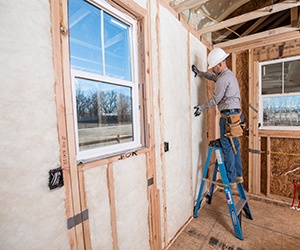 A reliable contractor should have examples of past work and descriptions of completed insulation jobs. Look for projects that resemble your needs. For example, if you want attic insulation, ask to see a past attic retrofit with blown-in fiberglass or spray foam. If you have a crawl space moisture problem, request examples of similar crawl space insulation solutions.
You can also ask about certifications or memberships in insulation or construction industry associations. These often show a contractor’s commitment to professional standards and continuous training.
Obtaining Estimates
Never rely on only one estimate. Get written quotes from at least two or three insulation contractors. A professional written estimate should include:
- Scope of work
- Type and amount of insulation
- Installation method
- Project timeline
- Total cost
A vague or incomplete estimate usually suggests a lack of thorough evaluation. Florida homeowners should be cautious of contractors who push low prices without explaining precisely what is included. A written estimate also gives you the benefit of comparing work item by item.
Evaluate Pricing Carefully
The lowest price is not always the best deal. Offers that seem too good to be true often hide cheaper materials, rushed work, or surprise add-on fees. Florida’s licensing authorities warn that cheap bids frequently lead to poor workmanship or unfinished projects.
On the other hand, the highest estimate does not automatically signal better quality. High bids may unnecessary upsells or inflated margins.
Use the estimates as discussion tools. Ask each contractor to explain why their cost structure is structured the way it is. A professional will walk you through materials, labor, timeline, and any additional considerations. Choose the option that offers the best long-term value based on reputation, experience, and clarity rather than price alone.
Step 3: Evaluate Professionalism and Support
Technical skill is only part of what makes a contractor reliable. Professionalism, communication, and willingness to support the homeowner after installation are equally important.
Customer Service
Pay attention to how the contractor handles communication from the first inquiry. Do they respond promptly, answer questions clearly, and show interest in understanding your home’s needs? Good customer service and communication indicate professionalism and reliability.
Quality contractors respond to calls and inquiries in a timely manner, and should be willing to answer questions.
During the estimate or home visit, a quality contractor will:
- Explain insulation options like fiberglass, cellulose, and spray foam
- Discuss R-values and climate-appropriate solutions
- Address concerns such as existing insulation, air leaks, or moisture
- Provide honest recommendations without trying to push unnecessary upgrades
If a contractor seems annoyed by questions, provides unclear answers, or dodges details, consider it a red flag.
Written Contracts
A professional insulation contractor always uses a written contract. This protects both parties and ensures clarity about the job. The contract should include:
- Scope of work
- Materials
- Start and finish dates
- Payment schedule
- Cleanup procedures
Avoid contractors who rely on handshake agreements or verbal promises. Professional contractors will welcome written contracts, as they protect both parties and set clear expectations for the work. Everything should be documented. Florida homeowners should feel comfortable asking contractors to clarify any unclear terms before signing. Additionally, be sure to observe if the contractor is honest and straightforward about job requirements. Reputable pros will advise against unnecessary or cost-ineffective work, and trustworthy contractors proactively discuss potential additional costs such as old insulation removal or hidden damage that may come up during the project and affect the work.
At the end of the day, it’s best to trust your instincts. You should be comfortable and heard in discussions with your contractors. As you invite a team into your home, you want people who respect time and property. Timely and respectful communication upfront translates into a smoother project and better overall experience.
Local Expertise
 A qualified contractor understands the Florida Building Code’s energy efficiency requirements and can explain how they apply to your home. They should be knowledgeable about attic ventilation, moisture barriers, and proper insulation techniques for Florida’s humid climate.
Good questions to ask include:
- What R-value do you recommend for my attic?
- How do you manage moisture control during insulation?
- Are there any local permitting requirements for this project?
Clear and confident answers reflect practical local expertise, while generic or unsure answers suggest a lack of local experience. Familiarity with county permit requirements demonstrates practical knowledge, and local climate and regulation understanding means correct and safe installation first time.
Post Installation Support
Support shouldn’t end when the crew leaves your home. A dependable contractor remains available weeks or months after the job to answer questions and address any concerns. If something wasn’t sealed correctly or a section was missed, they should return and fix it without hassle. This level of follow through is a strong indicator of professionalism and customer care.
Florida homeowners should be cautious of contractors who avoid discussing follow up service or don’t have a physical business presence. Always check that the written contract clearly outlines terms and what the contractor is responsible for after installation. A contractor who takes pride in their work gives you confidence that your insulation will perform as expected for years to come.
Conclusion
Choosing the right insulation contractor in Florida requires time and careful evaluation, but the effort pays off. By following these three steps, homeowners can feel confident in hiring a contractor who is properly licensed, experienced with Florida’s climate, transparent about pricing, and committed to long-term customer support.
Quality insulation improves comfort, reduces cooling costs, and helps protect the home from moisture issues. With the right contractor, you can ensure your insulation is installed correctly and built to last.
If you want reliable service, transparent pricing, and expert guidance for your insulation project in Florida, reach out to Allweather Insulation to schedule an assessment.
References:
Altamonte Springs, FL. (n.d.). Tips for hiring a contractor. City of Altamonte Springs. https://www.altamonte.org/1244/Tips-for-Hiring-a-Contractor
Florida Department of Business and Professional Regulation. (n.d.). Tips for hiring licensed professionals. MyFloridaLicense.com. https://www2.myfloridalicense.com/tips-for-hiring-licensed-professionals/
Palmetto Bay, FL. (n.d.). Tips for hiring a contractor. Village of Palmetto Bay. https://www.palmettobay-fl.gov/156/Tips-for-Hiring-a-Contractor
Sumter County, FL. (n.d.). Florida Building Code FAQ. Sumter County Government. https://www.sumtercountyfl.gov/FAQ.aspx?QID=371
University of Florida IFAS Extension. (n.d.). Insulation. Wildland Extension Central. https://wec.ifas.ufl.edu/extension/gc/madera/energy/insulation.htm