
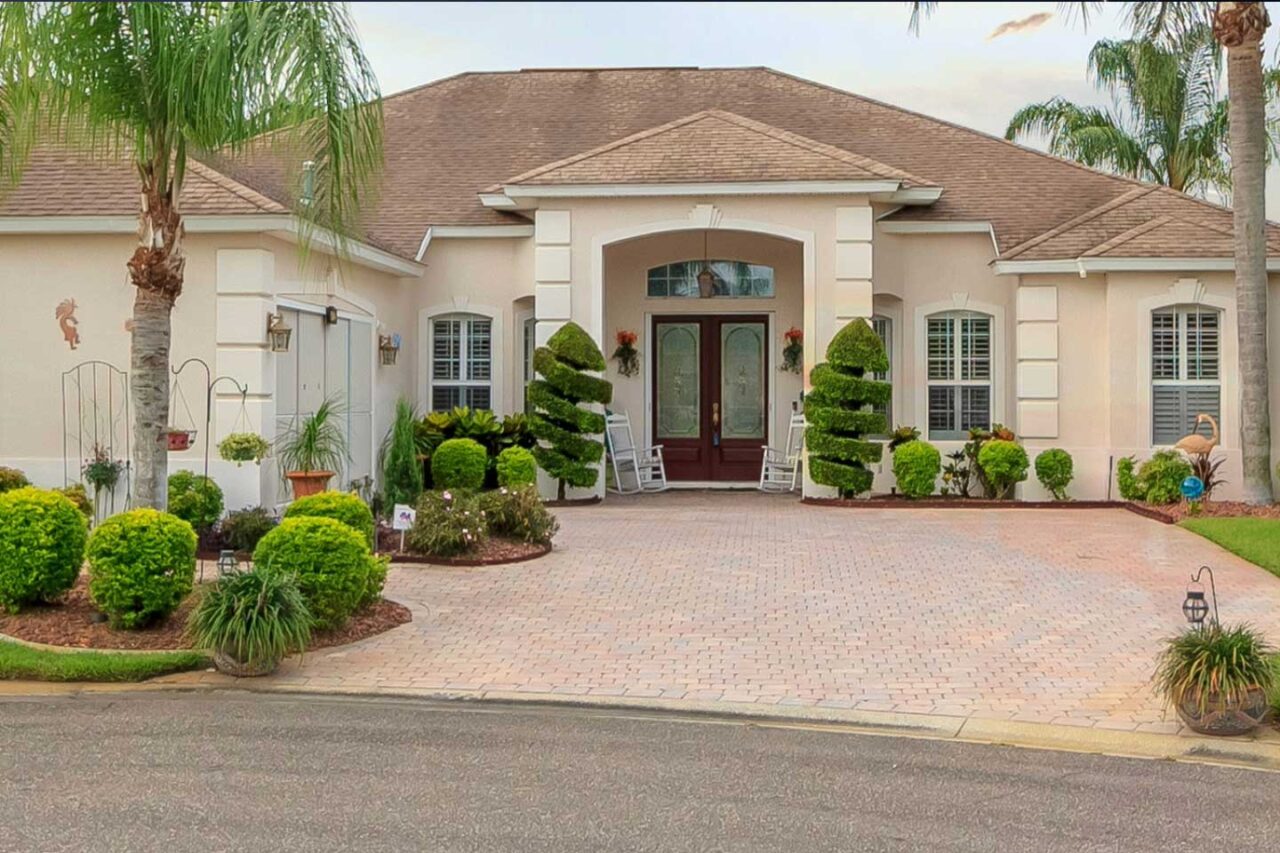
Building a new home in Florida comes with unique challenges, and air sealing is one of the most important steps you can take to protect your investment. In a home that isn’t properly air sealed, hot, moisture-laden outdoor air can easily infiltrate living spaces. That infiltration doesn’t just make your home less comfortable. Over time, it drives up energy costs, stresses your HVAC system, and can damage your home’s structure.
Florida’s Climate Challenges: Heat, Humidity, and Rain
Florida’s climate is unforgiving to poorly sealed homes. Much of the year, outdoor temperatures sit in the 80s and 90s, with relative humidity frequently exceeding 60 percent even during the afternoon. In many parts of the state, summer mornings regularly see humidity levels near 90 percent. Add in Florida’s long wet season, which runs roughly from June through October and accounts for the majority of annual rainfall, and you have constant pressure on a home’s exterior.
Heavy summer downpours and frequent storms mean wind-driven moisture is always looking for a way inside. Even during winter, Florida homes rarely get a proper break. Occasional freezing temperatures and lingering humidity still create conditions that allow moisture to move through the building envelope.
Why does this matter for homes? When gaps or cracks exist in and around the walls, roofline, windows, or framing, heat and moisture outside quickly become problems inside. Moist air that sneaks into wall cavities or attic spaces can condense on cooler surfaces, leading to mold growth, wood rot, and insulation damage. During storms, wind can push humid air and even rainwater into unsealed areas, further increasing the risk.
Impacts of Poor Air Sealing: Moisture, Mold, and Energy Loss
In a new home that isn’t properly air sealed, the consequences show up fast. Gaps around doors, windows, attic hatches, and plumbing or electrical penetrations allow hot, humid exterior air to mix with cool indoor air, creating a cascade of problems.
Moisture Damage
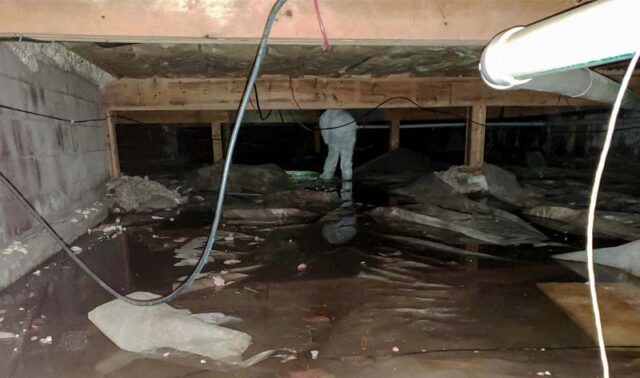 When warm, moisture-laden air enters the home and contacts cooler surfaces, such as drywall, framing, or HVAC ducts, condensation can form. Over time, this leads to mold and mildew growth, musty odors, and deterioration of wood framing or insulation. In Florida, researchers have documented severe cases in which chronic air leakage allowed so much moisture into wall assemblies that drywall became saturated and soft, posing serious structural concerns.
Higher Energy Bills
Air leaks act like holes in your thermal envelope. You pay to cool indoor air, only for it to escape while hot air replaces it. Studies show that air leakage can account for 25 to 40 percent of the energy used for heating and cooling in a typical home. In practical terms, that means up to a third of your cooling costs may be slipping through cracks, while your HVAC system uses more electricity and runs longer and harder to keep up.
Poor Comfort and Indoor Air Quality
Homes with significant air leakage often have uneven temperatures and persistent drafty areas. Humid outdoor air creeping inside can make rooms feel sticky and uncomfortable, even when the A/C is running. Gaps also allow dust, pollen, and outdoor pollutants to enter freely. A tighter building envelope reduces this infiltration, helping maintain healthier indoor air quality.
Material Degradation
Uncontrolled air and moisture movement can take a toll on building materials. Paint may peel, wood can warp or rot, and insulation that may absorb moisture can lose effectiveness. Over time, this degradation compromises both comfort and structural integrity. Reducing air leakage is a key step in preventing condensation-related damage and preserving your home’s materials.
Expert perspective:
Many Florida building experts emphasize that an airtight home paired with proper ventilation is actually less prone to indoor air quality and moisture issues than a leaky home. In a poorly sealed house, you have little control. Random cracks let in whatever the outside environment delivers. Sealing those cracks puts you back in control of your indoor environment.
Beyond Code: Building a Tighter Home Than the Minimum
Florida Building Code Requirements
 New homes in Florida must undergo blower door testing before a certificate of occupancy is issued. The Florida Building Code requires an air leakage rate of no more than 7 air changes per hour at 50 Pascals (7 ACH50). While this ensures a basic level of air sealing, it is a minimum standard. Many well-built homes achieve tighter results, and some builders aim for 5 ACH50 or better.
Going Beyond Code
Passing code does not mean every leak has been addressed. ENERGY STAR homes exceed minimum requirements by significantly tightening the building envelope, resulting in better performance and long-term durability. The guiding principle is simple: build it tight and ventilate it right. Minimize uncontrolled air leakage, then introduce fresh air intentionally through proper ventilation.
Best Time to Seal
The best opportunity to create an airtight home is during construction, while walls, ceilings, and framing are fully accessible. Once drywall is installed, tracking down hidden leaks becomes far more difficult and costly.
Common Trouble Spots for Air Leakage
- Windows and doors: Window frames, door frames, and sill plates should be carefully caulked and sealed. Weatherstripping around exterior doors and attic hatches helps stop drafts.
- Attic penetrations: Seal around anything that goes through the ceiling into the attic. Recessed lights, electrical boxes, exhaust fans, and plumbing vents are common sources of leaks. Collectively, these small openings can equal the air loss of an open window if left unsealed.
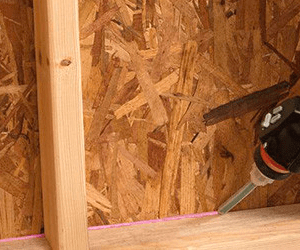
- Wall penetrations and joints: Seal joints where different building materials meet, such as where drywall sits on top of the top plate of a wall, at corners, and where walls meet floors. Pipes, wiring, and ductwork passing through walls and floors should be sealed with appropriate caulk or expanding foam.
- Electrical outlets and fixtures: Even outlets on exterior walls can leak air. Foam gaskets behind outlet plates are a simple but effective solution. Any gap in the thermal envelope is a path for air, so be sure to seal gaps around cable wire entry or outdoor faucet penetration with the appropriate material.
- Building wrap and sheathing seams: Modern construction uses house wrap and taped sheathing to form an air barrier. These layers must be overlapped and sealed correctly during construction to prevent wind-driven rain and air from sneaking in between panels.
Air Sealing Products and Materials
Builders use a range of materials, including high-quality caulks, polyurethane spray foams, gaskets, weatherstripping, and house wraps. Many Florida builders choose spray foam insulation because it insulates and air-seals simultaneously. When applied to the underside of the roof deck, open-cell or closed-cell spray foam creates a sealed, unvented attic. This keeps humid outdoor air out, protects the ductwork, and reduces the risk of condensation.
Short-Term vs. Long-Term Solutions
DIY measures like caulking and weatherstripping can provide immediate comfort improvements, but they often require ongoing maintenance. For new construction, spray foam insulation offers a long-term solution by sealing hidden leakage paths and significantly lowering cooling costs. Many experts agree that combining insulation with comprehensive air sealing delivers the best return on investment.
Breathe Easy and Save: Benefits of a Well-Sealed Home
 A properly air-sealed Florida home delivers benefits that go far beyond moisture control.
Lower energy bills: Eliminating leaks allows your cooling system to run less often and more efficiently. Reducing uncontrolled air exchange can lead to significant energy savings. Homeowners can save an estimated 15 to 40 percent on heating and cooling costs by sealing air leaks and upgrading insulation.
Improved comfort: A tightly sealed home offers more consistent temperatures from room to room, with fewer hot spots. By keeping humid air outside, the indoor environment stays drier and more comfortable – no more clammy feelings when the A/C is off. In addition, air sealing reduces outside noise and prevents annoying drafts from sneaking under doors or around windows.
Healthier indoor air quality: Sealing cracks reduces entry points for dust, pollen, pollutants, insects, and pests. With controlled ventilation, such as kitchen and bath exhaust fans combined with a fresh air intake if needed, you can ensure the air exchange in your home is filtered and intentionally delivered rather than randomly distributed.
Moisture control and durability: Especially crucial in Florida, preventing humid air from entering wall cavities and attic spaces dramatically lowers the risk of mold growth, wood rot, and insulation failure. Over time, this means fewer moisture-related repairs – no peeling paint from damp wood, no replacing moldy drywall, and a stronger home overall. Reducing these moisture issues also protects your furnishings and electronics from high humidity, helping your home last longer.
HVAC efficiency and longevity: When air leaks are sealed, HVAC systems experience less strain. Equipment cycles rather than running continuously, thereby extending system life and reducing maintenance and replacement costs.
Sealing Your Florida Home’s Future
Florida’s climate isn’t getting cooler or drier. Proper air sealing will remain essential for protecting comfort, energy efficiency, and structural health. By ensuring your new home is tightly sealed, or by upgrading an older home with modern air-sealing techniques, you create a more resilient, comfortable living space that withstands Florida’s heat and humidity.
Contact Allweather Insulation today to learn how professional air sealing and insulation can help protect your Florida home and deliver lasting comfort and energy savings.
References:
Florida Climate Center. (n.d.). Relative humidity. Florida State University, Office of the State Climatologist. https://climatecenter.fsu.edu/products-services/data/other-normals/relative-humidity
University of Central Florida, Florida Solar Energy Center. (n.d.). Attic insulation and ventilation. UCF Energy Research. https://energyresearch.ucf.edu/research/buildings-research/roof-assembly/attic-insulation-ventilation/
U.S. Department of Energy, Office of Energy Efficiency and Renewable Energy. (n.d.). Moisture and ventilation solutions in hot, humid climates: Florida manufactured housing. Building America. https://www.energy.gov/eere/buildings/articles/moisture-and-ventilation-solutions-hot-humid-climates-florida-manufactured
U.S. Environmental Protection Agency. (2005). Air sealing [Fact sheet]. ENERGY STAR. https://www.energystar.gov/ia/home_improvement/home_sealing/AirSealingFS_2005.pdf
U.S. Environmental Protection Agency. (2006). Air sealing: Improves energy efficiency and air quality [Fact sheet]. ENERGY STAR New Homes. https://www.energystar.gov/ia/new_homes/features/AirSealing_062906.pdf