

As a Tallahassee homeowner, maintaining a comfortable home year-round can be challenging. With our average summer highs that climb above 90°F and overnight humidity levels often reaching 80 to 100 percent, these conditions put serious strain on your home and HVAC system. Especially if your home lacks proper insulation.
For the average American home, more than 50 percent of its energy use goes to heating and cooling. That number can rise fast in Florida when conditioned air escapes through gaps, cracks, and under-insulated surfaces.
Ensuring you have the right amount of insulation in your home matters for many reasons. Insulation resists heat transfer, helps create a thermal barrier, lowers your utility costs, supports moisture control, and improves your overall home comfort. In a humid, subtropical climate like ours, that protection is not optional; it’s essential.
Let’s take a closer look at why insulation is so important for your Tallahassee home.
How Insulation Works — The Science Behind Home Comfort
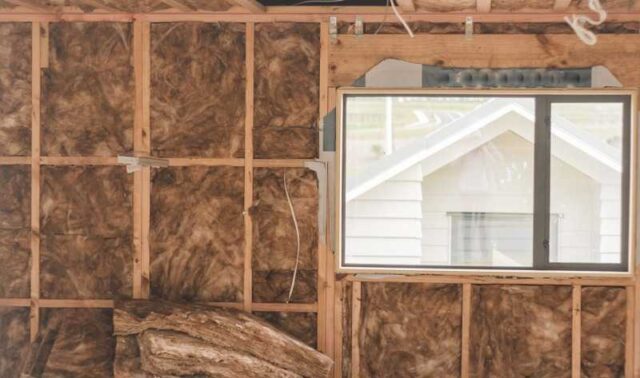
Understanding how insulation works makes it easier to see why it matters.
Insulation is a material that resists the movement of heat between conditioned and unconditioned spaces. It works primarily to slow down conductive and convective heat flow. During summer, insulation helps keep the heat outside where it belongs. During winter, it slows the heat from escaping.
Insulation effectiveness is measured by its R-value. This number reflects how well a material resists heat transfer. The higher the R-value, the greater the product’s insulating power. Here in Tallahassee’s cooling-dominated climate, insulation plays a critical role in keeping unwanted warmth out of your living space during our six to eight months of hot weather.
To help maximize energy efficiency and indoor comfort, it is recommended that all homes in Climate Zone 2 (most of Florida) have attic insulation levels of R-38, with some exceptions depending on the home. That protection directly supports better energy efficiency and improved indoor comfort.
Key Benefits of Proper Insulation for Tallahassee Homes
Lower Energy Bills and Improved Efficiency
Increasing your home’s insulation is one of the quickest and most cost-effective ways to reduce energy waste and improve HVAC efficiency. When you pair insulation with air sealing techniques like caulking and weatherstripping, you reduce drafts and air leaks. This helps save an average of 15% on heating and cooling costs while providing a strong return on investment.
Year-Round Comfort and Temperature Control
 Insulation slows heat transfer and helps retain conditioned air inside your home. That steady barrier creates more stable indoor temperatures and better year-round comfort.
Your rooms will feel more even from floor to floor, diminishing hot spots in summer and cold drafts in winter. This means your HVAC system will cycle less frequently, allowing it to maintain a steady temperature without constant strain.
Humidity and Moisture Control
Florida’s average relative humidity is around 74.5%, with nighttime levels often climbing much higher. Excess moisture inside your home can lead to mold growth, pest issues, and long-term structural damage.
Proper insulation, combined with air sealing, limits the amount of humid outdoor air that enters your home. This step supports better humidity control, stronger mold prevention, and improved indoor air quality.
A complete thermal enclosure system includes insulation, air sealing, and high-performance windows. Together, they create a more controlled indoor environment that feels cooler and drier during our long Tallahassee summers.
Reduced HVAC Wear and Extended Equipment Life
For most local homeowners, your HVAC system is one of the most important (and most used) things in your home. Without enough insulation, your cooling system will run longer and cycle more often to keep up.
Proper insulation reduces your AC’s cooling load. This creates less run time, which can mean fewer repairs and a longer equipment lifespan. Plus, insulation can help your AC remove the right amount of humidity, which often creates a cool, but clammy, home environment.
Types of Insulation for Tallahassee Homes
There are several types of insulation commonly used in our area. The right choice depends on your home’s layout, goals, and budget.
Fiberglass Insulation
Fiberglass insulation remains one of the most widely used options. It is available in batts, rolls, and blown-in forms. When installed correctly and paired with proper air sealing, it delivers reliable performance at a competitive price point.
Spray Foam Insulation
Spray foam insulation insulates and air seals in one step. It expands to fill gaps and cracks, reducing unwanted airflow. Closed-cell spray foam offers a higher R-value, greater density, and enhanced moisture resistance.
Cellulose Insulation
Cellulose insulation is made from recycled newsprint materials, making it a quality, sustainable option. It works well for blown-in attic applications and dense-packing existing wall cavities.
The best solution often depends on the area being insulated and the level of performance you want to achieve. A professional evaluation will help you determine the right fit for your home.
Signs Your Tallahassee Home Needs Better Insulation
Recognizing the signs that your home needs insulation can prevent bigger problems later. Here are some telltale signs to look for:
- Rising energy bills, even with normal HVAC use
- Uneven temperatures between rooms or floors
- A constantly running HVAC system that never reaches its set temperature
- Drafts near walls, windows, or baseboards
- Visible moisture, musty odors, or mold in your attic or crawl space
- Attic insulation that measures less than 6 to 7 inches (below R-22)
A professional energy assessment is often recommended before making insulation upgrades. Explore energy programs available in Tallahassee to learn more.
Creating an Energy Efficient Community Through Insulation
Proper insulation remains one of the smartest investments you can make as a Tallahassee homeowner. It lowers your energy bills, improves comfort, controls moisture, and extends the life of your HVAC system. Trusting the job to a professional, like Allweather Insulation, ensures full coverage, code compliance, and maximum performance.
At Allweather Insulation, we have provided our Tallahassee community with expert existing home insulation services since 1955. With every job, our team focuses on creating energy-efficient homes that deliver long-term comfort and savings for local homeowners. Contact us today to schedule your free estimate and start enjoying the benefits of a well-insulated home.
References
ENERGY STAR. “Adding Attic Insulation.” U.S. Environmental Protection Agency, www.energystar.gov/saveathome/seal_insulate/do-it-yourself-guide/adding-attic-insulation. Accessed 5 Aug. 2026.
ENERGY STAR. “Air Sealing [Fact Sheet].” U.S. Environmental Protection Agency, www.energystar.gov/ia/home_improvement/home_sealing/AirSealingFS_2005.pdf. Accessed 5 Aug. 2026.
ENERGY STAR. “Recommended Home Insulation R-Values.” U.S. Environmental Protection Agency, www.energystar.gov/saveathome/seal_insulate/identify-problems-you-want-fix/diy-checks-inspections/insulation-r-values. Accessed 5 Aug. 2026.
ENERGY STAR. “Why Seal and Insulate?” U.S. Environmental Protection Agency, www.energystar.gov/saveathome/seal_insulate/why-seal-and-insulate. Accessed 5 Aug. 2026.
Florida Climate Center. “Relative Humidity.” Florida State University, https://climatecenter.fsu.edu/products-services/data/other-normals/relative-humidity. Accessed 18 Feb. 2026.
Internal Revenue Service. “Energy Efficient Home Improvement Credit.” www.irs.gov/credits-deductions/energy-efficient-home-improvement-credit. Accessed 5 Aug. 2026.
UF/IFAS Extension. “Energy Efficient Homes: Air Conditioning.” University of Florida, EDIS, https://edis.ifas.ufl.edu/fy1026. Accessed 18 Feb. 2026.
UF/IFAS Extension Marion County. “A Complete Thermal Enclosure System.” University of Florida, 27 July 2018, https://blogs.ifas.ufl.edu/marionco/2018/07/27/thermal-enclosure-system/. Accessed 18 Feb. 2026.
UF/IFAS Extension Sumter County. “Was Your Power Out? Check Indoor Humidity.” University of Florida, 4 Oct. 2022, https://blogs.ifas.ufl.edu/sumterco/2022/10/04/check-indoor-humidity/. Accessed 18 Feb. 2026.
UF/IFAS Harmony. “Insulation.” University of Florida, https://wec.ifas.ufl.edu/extension/gc/harmony/energy/insulation.htm. Accessed 18 Feb. 2026.
UF/IFAS Living Green. “Insulation.” University of Florida, https://livinggreen.ifas.ufl.edu/topics/energy/insulation/. Accessed 18 Feb. 2026.
U.S. Energy Information Administration. “Use of Energy in Homes.” Energy Explained, www.eia.gov/energyexplained/use-of-energy/homes.php. Accessed 5 Aug. 2026.